Robotic Bariatric Surgery in Vijayawada
Losing weight and keeping it off can be difficult for some people. Diet and exercise may not always lead to lasting results, especially when obesity is affecting everyday life or overall health.
Robotic bariatric surgery in Vijayawada combines weight-loss surgery with robotic assistance. It allows the surgeon to perform the procedure through small cuts while maintaining precise control during surgery.
Patients often have questions before considering surgery:
How much weight can I lose?
Will I be able to eat normally?
How long will recovery take?
Will I need vitamins after surgery?
At CREST Hospital, Vijayawada, Dr. Surendra Jasti provides bariatric, gastrointestinal, laparoscopic, and colorectal surgical care. His approach is based on “Expertise with Empathy” and individual treatment planning. Onboarding Document
A proper assessment can help you understand whether weight-loss surgery is suitable for you and which option may fit your needs.
Considering robotic bariatric surgery in Vijayawada? A detailed evaluation can help you understand whether weight-loss surgery is suitable for you and which procedure may match your health needs and goals.
What Is Robotic Bariatric Surgery?
Robotic bariatric surgery is weight-loss surgery performed with assistance from a robotic system.
The system is controlled completely by the surgeon. It does not perform the operation independently.
Robotic assistance allows the surgeon to:
Control specialised surgical instruments
Work through small abdominal cuts
View the surgical area in detail
Perform careful movements during the procedure
The actual surgery depends on the procedure selected for the patient.
When May Bariatric Surgery Be Considered?
Bariatric surgery is not simply about losing a few kilograms. It may be considered when obesity is affecting health and other weight-management efforts have not provided sufficient results.
Doctors may consider:
- Current weight and body size
- Existing health problems
- Previous weight-loss attempts
- Eating habits and lifestyle
- Overall health
- Long-term weight-management goals
Not everyone needs the same type of surgery. The procedure should be selected after a proper assessment.

Types of Bariatric Surgery
Different weight-loss procedures work in different ways. Two commonly performed options include:
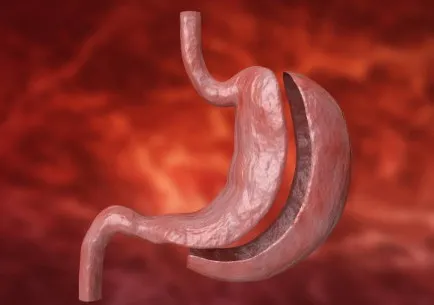
Sleeve Gastrectomy
A large part of the stomach is removed, leaving a smaller stomach.
This can:
- Reduce the amount of food the stomach can hold
- Help patients feel full with smaller portions
- Support long-term weight loss
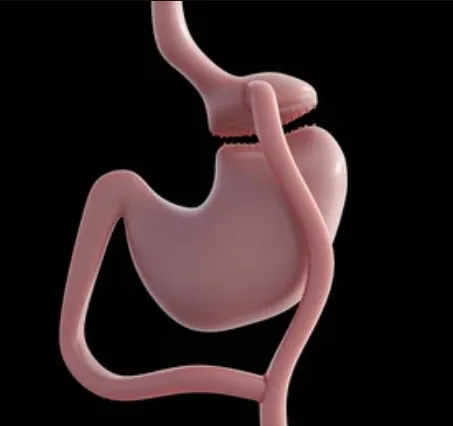
Gastric Bypass
The surgeon creates a smaller stomach pouch and changes the path food takes through the digestive system.
It can:
- Reduce the amount of food consumed
- Affect how the body absorbs nutrients
- Support significant weight loss
The appropriate procedure depends on the patient’s health, weight, eating patterns, and treatment goals.
Who May Be Considered for Robotic Bariatric Surgery?
Robotic bariatric surgery may be considered for people with obesity who meet the medical requirements for weight-loss surgery.
The surgeon may look at:
Body weight and overall health
Weight-related health problems
Previous attempts to lose weight
Ability to follow dietary changes
Lifestyle and activity levels
Expectations from surgery
A consultation is needed before deciding whether surgery is appropriate.
What Happens Before Robotic Bariatric Surgery?
The preparation starts well before the actual procedure.
Medical Assessment
The doctor reviews your:
- Weight history
- Medical conditions
- Current medicines
- Previous surgeries
- Weight-loss efforts
Required Tests
Depending on your health, the doctor may recommend blood tests or other investigations.
Choosing the Procedure
The surgeon explains the available options and discusses why one procedure may be more suitable for you.
How Is Robotic Bariatric Surgery Performed?
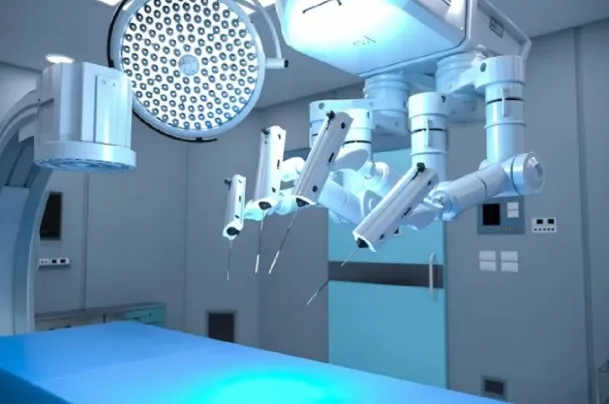
During surgery, the surgeon controls robotic instruments through a specialised system.
The general process involves:
- Small cuts are made in the abdomen.
- Surgical instruments are placed through these openings.
- The surgeon controls the instruments.
- The selected weight-loss procedure is performed.
- The instruments are removed after completing the surgery.
- The small cuts are closed.
The exact steps depend on whether the patient undergoes a sleeve, bypass, or another procedure.
Benefits of Robotic Bariatric Surgery
For suitable patients, robotic assistance may provide certain surgical benefits. These can include:
Smaller cuts than traditional open surgery
Detailed view of the operating area
Greater control of surgical instruments
Less visible scarring
Minimally invasive surgical access
Potentially smoother recovery in suitable cases
Robotic technology is only one part of the treatment. The surgeon’s assessment and the choice of procedure remain equally important.
Not sure which weight-loss procedure may be right for you? A discussion with Dr. Surendra Jasti can help you understand the available options and what each procedure may mean for your recovery and long-term weight management.
What Is Recovery Like After Bariatric Surgery?
Recovery is different for every patient. It depends on the procedure, general health, and how the body responds after surgery.
During recovery, patients may receive guidance about:
- Starting with suitable liquids
- Gradually introducing foods
- Increasing activity slowly
- Taking prescribed medicines
- Taking vitamins when advised
- Attending follow-up appointments
Long-term success also depends on maintaining recommended eating and lifestyle changes.
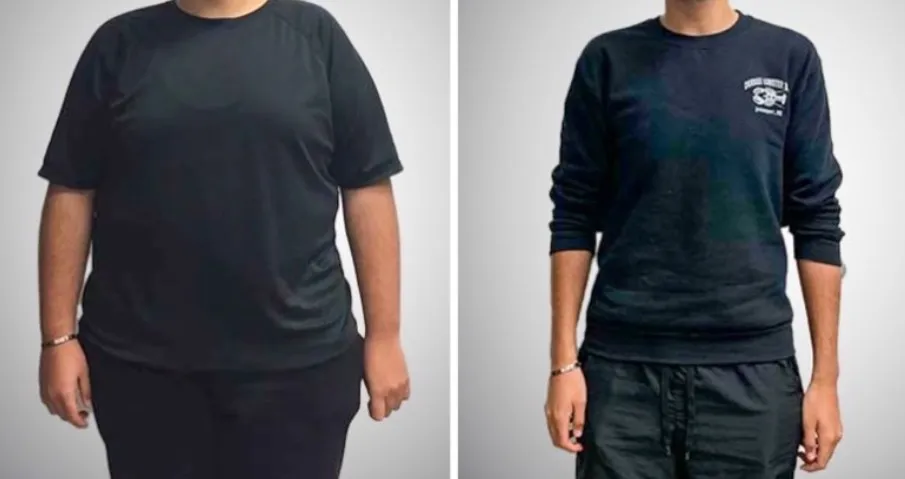
Can Bariatric Surgery Improve Weight-Related Health Problems?
Weight loss following bariatric surgery may help improve certain health problems associated with obesity.
Depending on the individual, improvements may occur in conditions such as:
- Type 2 diabetes
- High blood pressure
- Sleep-related breathing problems
- Weight-related joint problems
- Other obesity-related health concerns
The results are different for every person and depend on several factors.
Type 2 diabetes
High blood pressure
Sleep-related breathing problems
Weight-related joint problems
Other obesity-related health concerns
Why Choose Dr. Surendra Jasti for Robotic Bariatric Surgery in Vijayawada?
Dr. Surendra Jasti’s listed areas of expertise include:
Bariatric surgery
Gastrointestinal surgery
Laparoscopic surgery
Colorectal surgery
Advanced hernia surgery
He provides surgical care at CREST Hospital, Vijayawada, with a focus on personalised treatment planning and patient care. Onboarding Document
If you are considering weight-loss surgery, an individual assessment can help you understand whether surgery is appropriate and which procedure may suit your needs.
Robotic Bariatric Surgery vs Traditional Surgery
Feature | Robotic Surgery | Traditional Open Surgery |
Surgical access | Small abdominal cuts | Larger opening |
Instrument control | Robotic-assisted | Conventional |
View | Magnified surgical view | Direct view |
Scarring | Usually smaller | Usually more visible |
Recovery | May be quicker in suitable cases | May take longer |
The recommended approach depends on your condition and the procedure being considered.
How Much Does Robotic Bariatric Surgery Cost in Vijayawada?
The cost can vary from one patient to another.
Factors may include:
- Type of bariatric surgery
- Hospital stay
- Tests and investigations
- Medicines
- Surgical requirements
- Follow-up care
A consultation can provide a clearer estimate based on the planned procedure.
Bariatric surgery
Gastrointestinal surgery
Laparoscopic surgery
Colorectal surgery
Advanced hernia surgery
Have questions about robotic bariatric surgery, recovery, or expected weight loss? An individual consultation can help you get clear answers based on your health, weight, and treatment requirements.
Frequently Asked Questions
1. Is robotic bariatric surgery better than laparoscopic surgery?
Both approaches have a role in bariatric surgery. The choice depends on the procedure, patient’s health, and surgeon’s assessment.
2. How much weight can I lose after robotic bariatric surgery?
Weight loss varies between patients. It depends on the procedure, starting weight, eating habits, activity, and long-term follow-up.
3. Is robotic bariatric surgery painful?
The procedure is performed under anaesthesia. Some discomfort may occur afterwards and can be managed with appropriate medicines.
4. How long does recovery take after bariatric surgery?
Recovery depends on the procedure and individual health. Your surgeon will explain when you can return to normal food, work, and physical activity.
5. Will I need vitamins after bariatric surgery?
Some patients need vitamins and mineral supplements after surgery. The requirements depend on the type of surgery and individual nutritional needs.
6. Is robotic bariatric surgery suitable for everyone?
No. Suitability depends on your weight, health, previous weight-loss efforts, and ability to follow the required lifestyle changes.
7. Can bariatric surgery help with diabetes?
Weight loss after bariatric surgery may improve blood sugar control in some people with obesity and type 2 diabetes. The extent of improvement varies between patients.