Robotic Hernia Surgery in Vijayawada
A hernia occurs when an internal organ or tissue pushes through a weakened area of the muscle or connective tissue. While many hernias require surgical repair, advancements in minimally invasive techniques have made robotic hernia surgery an effective option for selected patients.
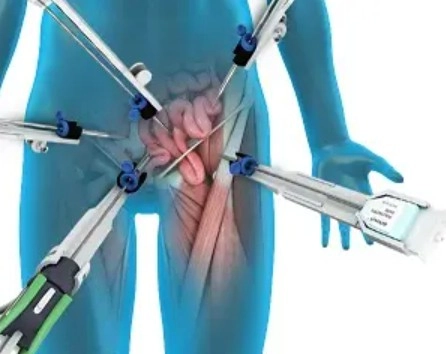
Robotic hernia surgery in Vijayawada is an advanced approach that allows surgeons to repair hernias through small incisions using robotic-assisted instruments. The surgeon controls the robotic system throughout the procedure, enabling precise movements and improved access to complex areas.
Dr. Surendra Jasti provides advanced hernia treatment using minimally invasive techniques, including robotic-assisted procedures for suitable patients. Each case is evaluated based on the type of hernia, size, previous surgeries and overall health before recommending the ideal surgical approach.
Looking for advanced robotic hernia surgery in Vijayawada?
Consult Dr. Surendra Jasti to understand the most suitable hernia repair option for your condition.
What Is Robotic Hernia Surgery?
Robotic hernia surgery is a minimally invasive technique used to repair hernias with the assistance of a robotic surgical system.
During the procedure, the surgeon controls specialised robotic instruments from a console. These instruments allow precise movements while a high-definition camera provides a magnified view of the surgical area.
The robotic system helps surgeons perform detailed dissection, defect closure and mesh placement in selected hernia repairs while using smaller incisions compared with traditional open surgery.
How Is Robotic Hernia Repair Performed?
Robotic hernia repair generally involves the following steps:
Pre-Surgical Assessment
The surgeon evaluates:
Type and location of hernia
Size of the defect
Symptoms and complications
Previous abdominal surgeries
Overall medical condition
Imaging tests may be advised for complex or recurrent hernias.
Robotic-Assisted Repair
During surgery:
Small incisions are created
A camera and robotic instruments are inserted
The surgeon controls the robotic arms from a console
The hernia defect is repaired
Mesh may be placed to strengthen the weakened area
Recovery Planning
After surgery, patients receive guidance regarding movement, wound care, diet and follow-up.
Types of Hernias Treated With Robotic Surgery
Robotic surgery may be used for several gastrointestinal and abdominal conditions. The decision depends on the diagnosis, complexity of the procedure, previous surgical history and overall health of the patient.
Robotic Inguinal Hernia Surgery
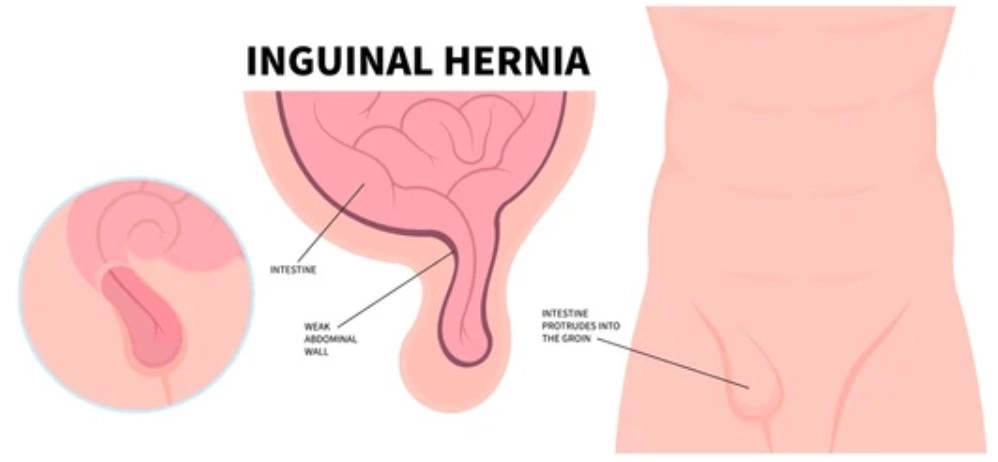
An inguinal hernia occurs when tissue pushes through a weak area in the groin region. It is one of the most common types of hernia.
Robotic inguinal hernia repair may be considered for:
- Symptomatic inguinal hernias
- Bilateral inguinal hernias
- Recurrent hernias
- Complex groin hernias
Robotic Ventral Hernia Surgery
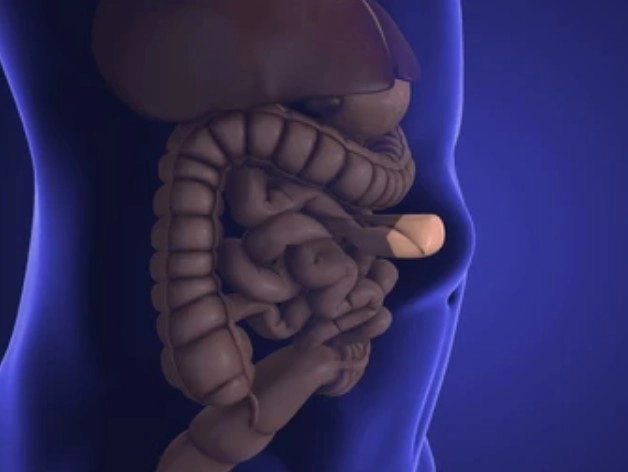
Ventral hernias occur through weakened areas of the abdominal wall.
Robotic ventral hernia repair may be used for:
- Primary ventral hernia
- Incisional hernia
- Umbilical hernia
- Complex abdominal wall defects
Robotic Incisional Hernia Repair
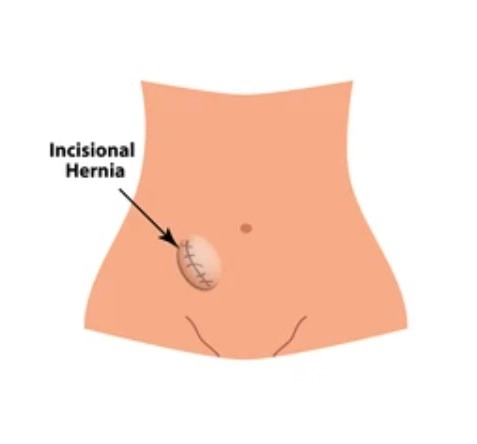
Incisional hernias develop at previous surgical incision sites due to weakness in the abdominal wall.
Robotic repair may help surgeons address these defects with precise reconstruction techniques.
Robotic Recurrent Hernia Surgery
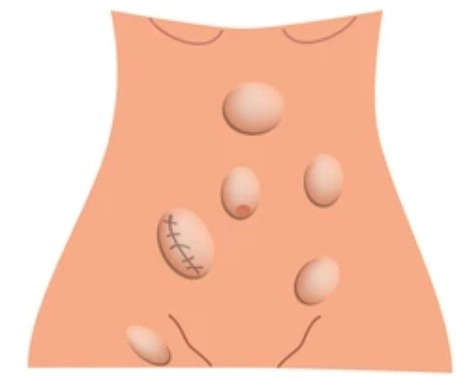
Patients who develop hernias again after previous repair may require specialised treatment planning.
Robotic techniques may be considered in selected recurrent hernia cases where minimally invasive access is appropriate.
Who Is a Candidate for Robotic Hernia Surgery?
Robotic hernia surgery may be suitable for patients who:
Require surgical hernia repair
Have a suitable hernia size and location
Are medically fit for minimally invasive surgery
May benefit from robotic assistance
Robotic surgery may not be necessary for every hernia. The recommended approach depends on individual factors such as hernia complexity, previous procedures and overall health.
Benefits of Robotic Hernia Surgery
For suitable patients, robotic hernia repair may offer:
Smaller surgical incisions
Enhanced visualisation of the hernia area
Better instrument flexibility
Precise mesh positioning
Reduced tissue disruption
Less postoperative discomfort compared with open surgery
Faster return to daily activities in selected cases
Smaller scars
The outcome depends on the type of hernia, surgical complexity and patient recovery.
Need expert evaluation for your hernia problem?
Schedule a consultation with Dr. Surendra Jasti to discuss robotic and minimally invasive hernia repair options.
Robotic Hernia Surgery vs Laparoscopic vs Open Hernia Repair

| Feature | Robotic Hernia Surgery | Laparoscopic Hernia Surgery | Open Hernia Surgery |
|---|---|---|---|
| Surgical access | Small incisions using robotic instruments | Small incisions using laparoscopic tools | Larger incision directly over hernia area |
| Surgeon control | Operated through robotic console | Direct instrument handling | Direct surgical access |
| Visualisation | Magnified 3D view | Camera-based view | Direct view |
| Instrument movement | Greater flexibility and controlled movements | Limited instrument mobility | Conventional movement |
| Recovery | Faster recovery in selected cases | Faster than open repair | Longer recovery due to larger incision |
The best surgical method depends on the patient’s hernia type and clinical requirements.
Preparation Before Robotic Hernia Surgery
Before surgery, patients may be advised to:
Complete recommended investigations
Inform the doctor about existing medical conditions
Discuss current medications
Follow fasting instructions before surgery
Arrange postoperative support
Follow preoperative fitness advice
Recovery After Robotic Hernia Surgery
Recovery varies depending on hernia complexity and individual healing.
Patients are generally advised to:
Walk early after surgery as recommended
Keep incisions clean and dry
Avoid heavy lifting during initial recovery
Follow activity restrictions
Attend follow-up appointments
Most patients can gradually return to normal activities based on their surgeon’s advice.
Risks of Robotic Hernia Surgery
Like any surgical procedure, robotic hernia repair may involve risks such as:
Bleeding
Infection
Anaesthesia-related complications
Seroma formation
Recurrence of hernia
Injury to surrounding structures
Need for additional procedures
A detailed consultation helps patients understand expected outcomes and possible risks.
Why Choose Dr. Surendra Jasti for Robotic Hernia Surgery in Vijayawada?
Robotic Gastro Surgeon in Vijayawada Dr. Surendra Jasti provides specialised surgical care for different types of hernias using advanced minimally invasive approaches.
Reasons to consider his expertise include:
Extensive experience in gastrointestinal and hernia surgery
Expertise in laparoscopic and robotic surgical techniques
Individualised treatment planning
Management of simple as well as complex hernia cases
Complete care from diagnosis to recovery
Factors Affecting Robotic Hernia Surgery Cost in Vijayawada
The cost of robotic hernia surgery depends on:
Type of hernia
Complexity of repair
Mesh type used
Hospital stay
Investigations
Surgical technique required
Postoperative care requirements
A personalised consultation is required to determine the exact treatment plan and cost.
Planning hernia surgery in Vijayawada?
Consult Dr. Surendra Jasti for personalised guidance on robotic hernia repair.
Frequently Asked Questions About Robotic Hernia Surgery in Vijayawada
1. What is robotic hernia surgery?
Robotic hernia surgery is a minimally invasive procedure where a surgeon uses robotic-assisted instruments to repair a hernia through small incisions.
2. Is robotic hernia surgery better than open surgery?
Robotic surgery may offer benefits such as smaller incisions and faster recovery in selected patients. However, the ideal approach depends on the type and complexity of the hernia.
3. How long does robotic hernia surgery take?
The duration depends on the type of hernia, complexity of repair and patient factors.
4. How soon can I return to normal activities after robotic hernia surgery?
Recovery varies between patients. Many individuals can gradually resume routine activities based on their surgeon’s advice.
5. Is robotic hernia surgery safe?
Robotic hernia surgery can be safe when performed for appropriate patients by an experienced surgical team. Like all surgeries, it has potential risks that should be discussed beforehand.