Robotic Surgery in Vijayawada
Robotic surgery is an advanced form of minimally invasive surgery in which a trained surgeon controls robotic instruments through a specialised console. It can help the surgeon perform precise movements through small incisions while viewing the surgical area in magnified, high-definition 3D.
Dr. Surendra Jasti provides robotic surgery in Vijayawada for selected gastrointestinal, hernia, gallbladder, colorectal and bariatric conditions. Every patient is carefully evaluated to determine whether robotic, laparoscopic or open surgery is the most suitable approach for their condition.
The robot does not make decisions or perform the procedure independently. Every movement of the instruments remains under the direct control of the operating surgeon.
Have you been advised to undergo gastrointestinal, gallbladder, hernia or colorectal surgery?
Schedule a consultation with Dr. Surendra Jasti to understand whether robotic surgery is appropriate for your condition.
What is the Function of Gallbladder in Digestive System?
Robotic surgery, also known as robot-assisted surgery, is a minimally invasive technique used to perform selected surgical procedures through a few small incisions.
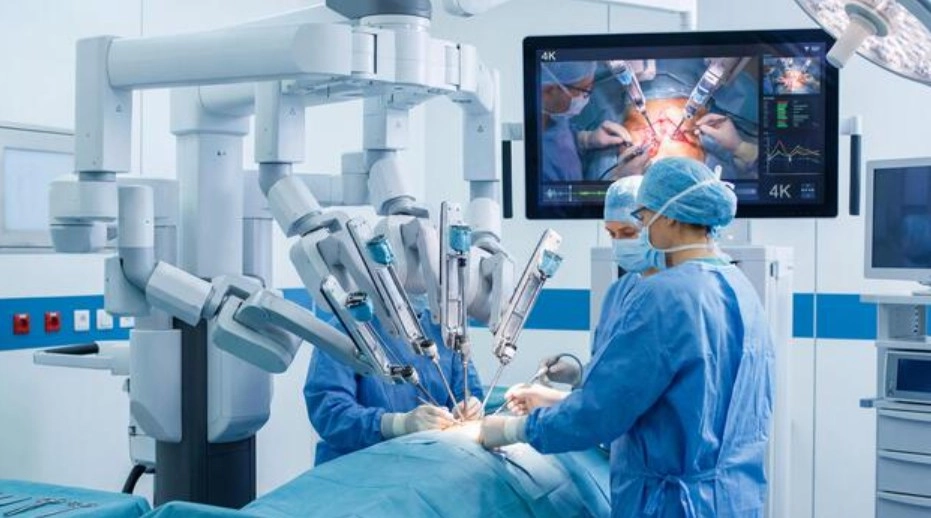
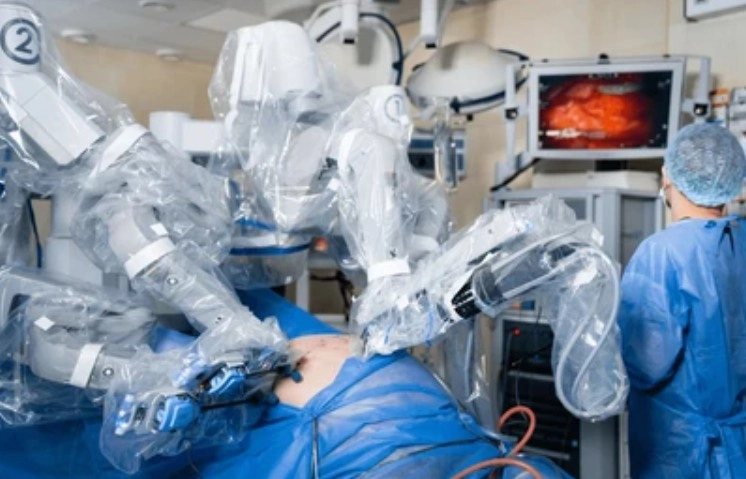
During the operation, the surgeon sits at a console located inside the operating room. The console provides a magnified 3D view of the surgical area. The surgeon uses hand controls to guide small instruments attached to robotic arms.
The robotic system translates the surgeon’s hand movements into controlled movements inside the patient’s body. This may help when operating in narrow or difficult-to-reach areas.
Robotic surgery is not an automated procedure. The surgeon remains responsible for planning, controlling and completing the operation.
How Does Robotic Surgery Work?
Robotic surgery generally involves the following steps:
Preoperative evaluation
The surgeon reviews the patient’s symptoms, medical history, previous operations, current medicines and diagnostic reports. Blood tests, scans, endoscopy or other investigations may be recommended depending on the condition.
Administration of anaesthesia
Most robotic gastrointestinal procedures are performed under general anaesthesia. The anaesthesia team monitors the patient throughout the surgery.
Placement of small incisions
A few small incisions are made to insert the camera and surgical instruments. The number and location of the incisions depend on the procedure.
Surgeon-controlled operation
The surgeon operates from a console and views the surgical area through a magnified 3D camera. Every movement made at the console is translated into a corresponding movement of the instruments.
Completion and recovery
After completing the procedure, the instruments are removed and the incisions are closed. The patient is then shifted to the recovery area for monitoring.
Conditions That May Be Treated With Robotic Surgery
Robotic surgery may be used for several gastrointestinal and abdominal conditions. The decision depends on the diagnosis, complexity of the procedure, previous surgical history and overall health of the patient.
Robotic hernia surgery
Robotic surgery may be considered for:
- Inguinal hernia
- Ventral hernia
- Incisional hernia
- Umbilical hernia
- Recurrent hernia
- Complex abdominal wall hernia
- Hiatal hernia
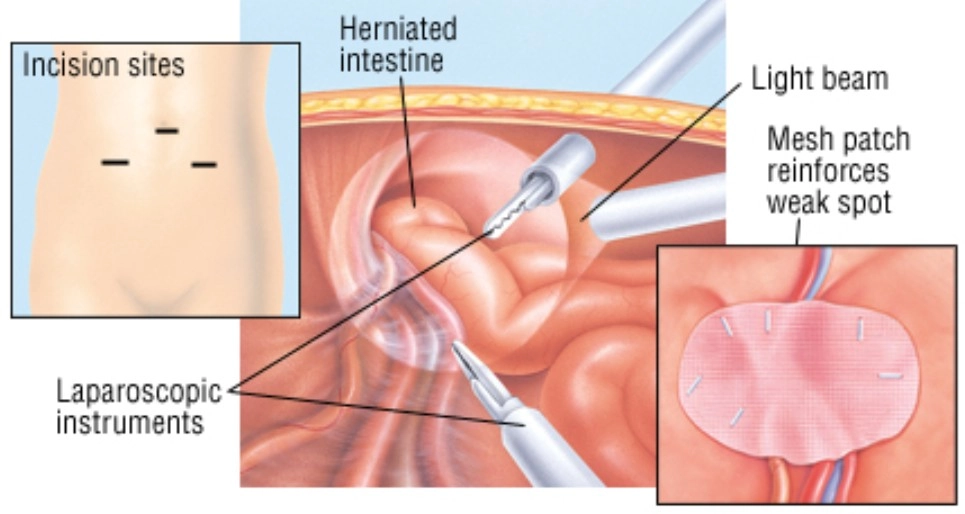
The robotic platform can help the surgeon work within different tissue layers and place sutures or mesh in selected hernia repairs.
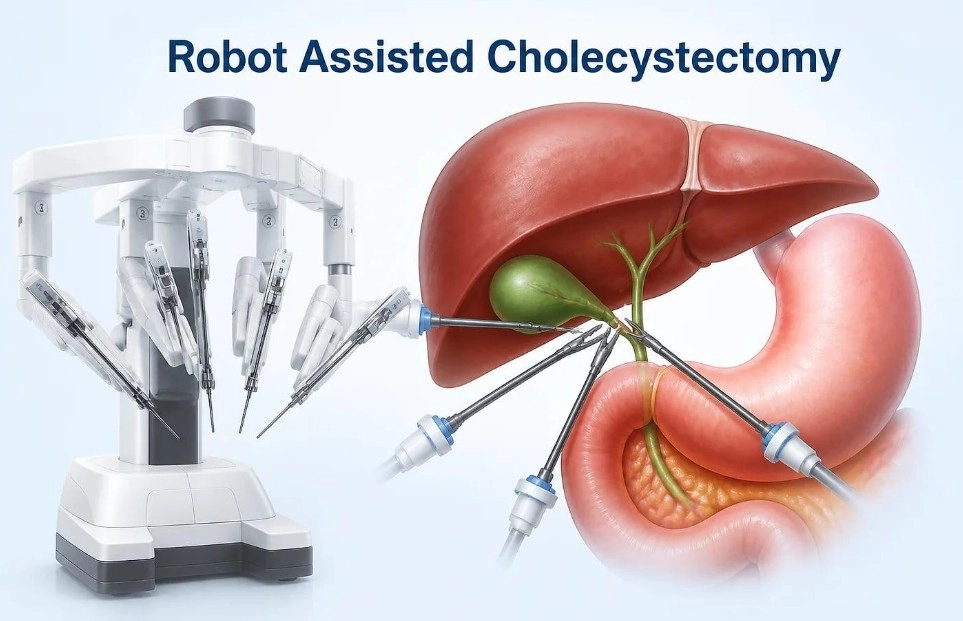
Robotic gallbladder surgery
Robotic cholecystectomy may be recommended for selected patients with:
- Symptomatic gallstones
- Recurrent gallbladder inflammation
- Gallbladder polyps requiring surgery
- Chronic cholecystitis
- Complicated gallbladder disease
Gallbladder removal is among the general surgical procedures that may be performed using robotic-assisted systems.
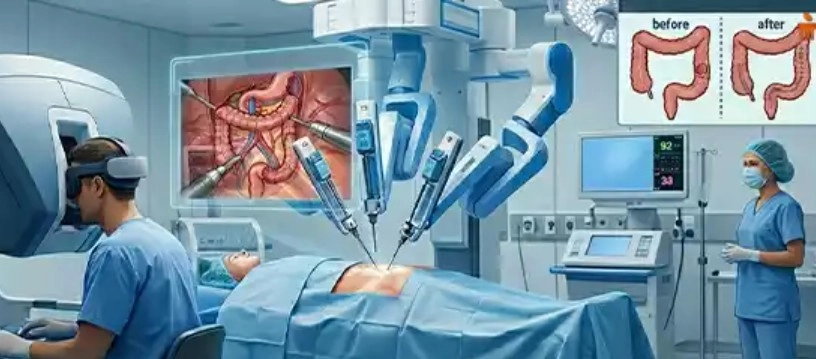
Robotic colorectal surgery
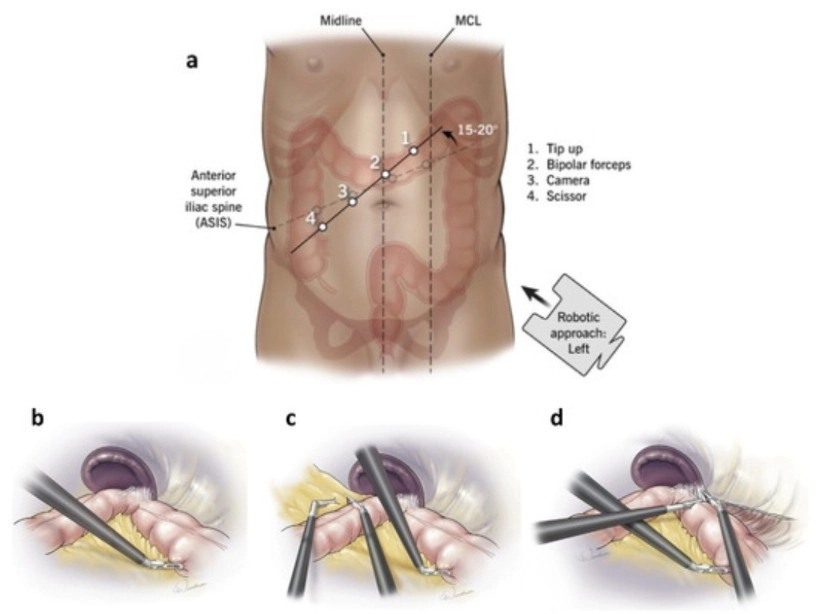
Robotic assistance may be used in selected procedures involving the colon and rectum, including:
- Colon resection
- Rectal resection
- Diverticular disease surgery
- Surgery for selected colorectal tumours
- Rectal prolapse surgery
- Procedures for inflammatory bowel conditions
- Reversal of selected intestinal stomas
The magnified view and controlled movement of robotic instruments can be helpful when operating deep within the pelvis.
Robotic bariatric surgery
Selected weight-loss and metabolic operations may be performed with robotic assistance, including:
- Sleeve gastrectomy
- Gastric bypass
- Revisional bariatric surgery
- Surgery for complications after a previous weight-loss procedure
Dr. Surendra Jasti evaluates the patient’s body mass index, obesity-related health conditions, previous weight-loss attempts and medical fitness before recommending bariatric surgery. His website lists both laparoscopic and robotic-assisted techniques for bariatric care.
Robotic upper gastrointestinal surgery
Robotic assistance may also be considered for selected conditions affecting the oesophagus and stomach, such as:
- Hiatal herniaSevere gastroesophageal reflux disease
- Achalasia
- Selected stomach tumours
Selected oesophageal conditions
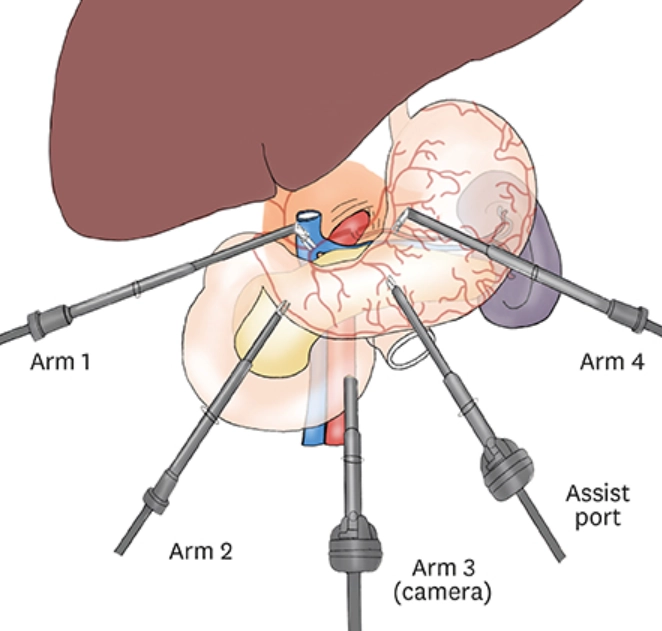
Robotic Gastrectomy
Robotic gastrectomy is a minimally invasive approach used for selected stomach-related conditions, including certain stomach cancers and other gastric disorders requiring partial or complete removal of the stomach.
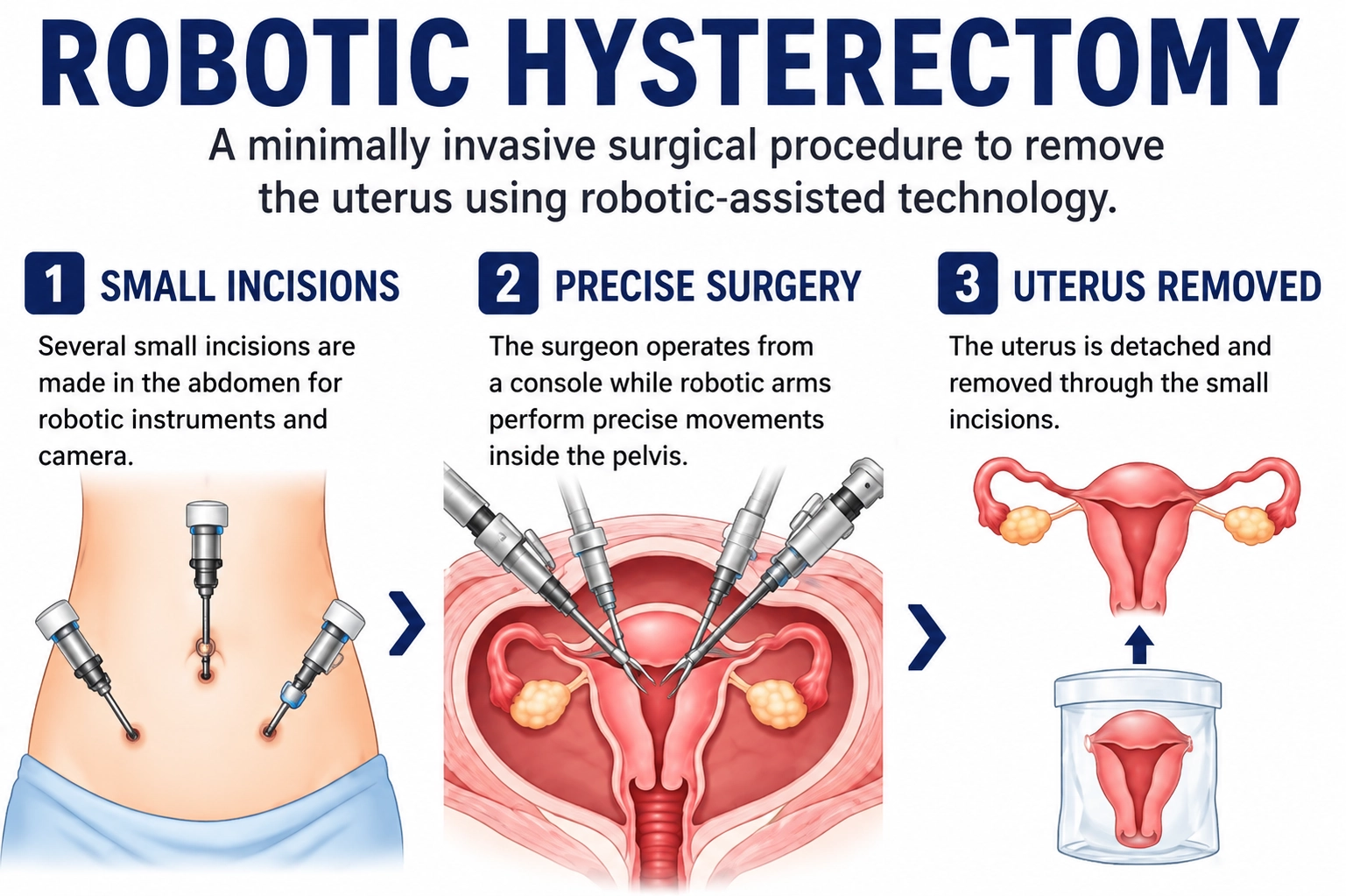
Robotic Hysterectomy
Robotic hysterectomy is a minimally invasive procedure used for removing the uterus in selected patients. It may be recommended for conditions such as:
- Uterine fibroids
- Abnormal uterine bleeding
- Endometriosis
- Adenomyosis
- Certain gynaecological cancers
Compared with traditional open hysterectomy, robotic-assisted techniques may allow smaller incisions, reduced postoperative discomfort and faster recovery in suitable patients.
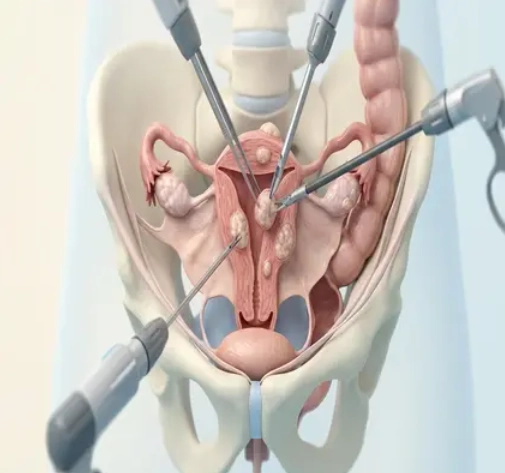
Robotic Myomectomy
Robotic myomectomy is a uterus-preserving procedure used to remove fibroids while keeping the uterus intact.
It may be considered for women with:
- Symptomatic uterine fibroids
- Fibroids affecting fertility
- Multiple or complex fibroids
- Fibroids causing pain, pressure symptoms or heavy bleeding
The enhanced precision of robotic instruments may help surgeons perform careful dissection and suturing of the uterus.
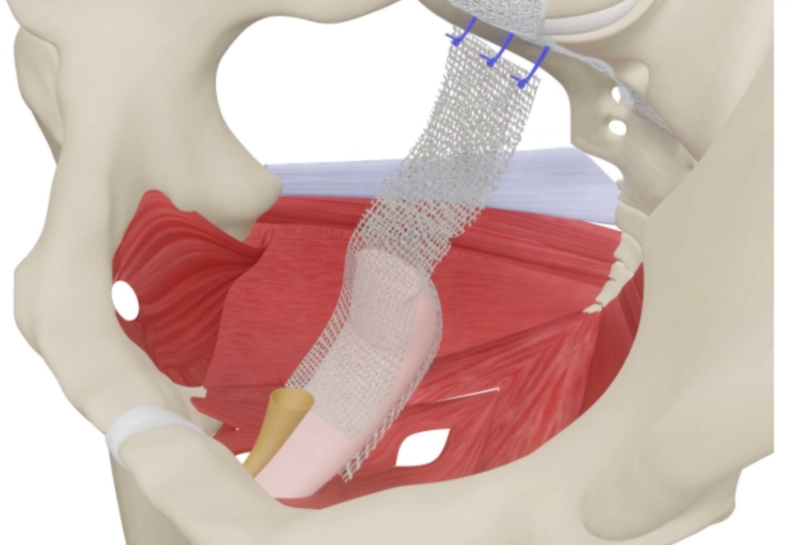
Robotic Sacrocolpopexy
Robotic sacrocolpopexy is a minimally invasive procedure used for treating pelvic organ prolapse, especially vaginal vault prolapse after hysterectomy.
During the procedure, a surgical mesh is used to support pelvic organs and restore normal anatomy.
Robotic assistance may provide:
- Improved visualisation of pelvic structures
- Better access to deep pelvic areas
- Precise suturing during reconstruction
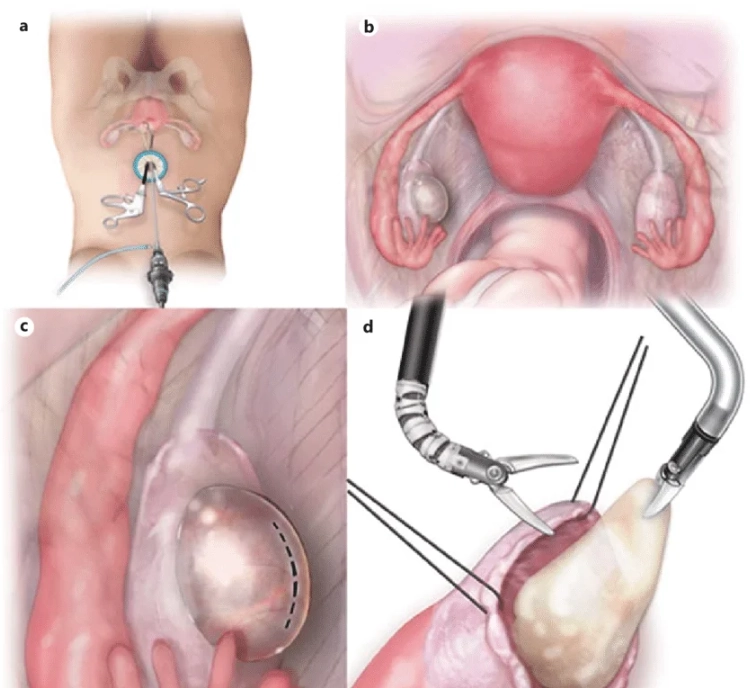
Robotic Ovarian Cyst Surgery
Robotic ovarian cyst surgery is a minimally invasive approach used to remove ovarian cysts while preserving healthy ovarian tissue whenever possible. It may be considered for selected patients when cysts are large, persistent, symptomatic or require further evaluation.
Robotic-assisted ovarian cyst procedures may be recommended for conditions such as:
- Persistent ovarian cysts
- Large or complex ovarian cysts
- Cysts causing pelvic pain or pressure symptoms
- Recurrent ovarian cysts
- Cysts requiring surgical removal after evaluation
Other Robotic Gastrointestinal and Abdominal Procedures
Depending on the patient’s condition, robotic assistance may also be considered for selected:
- Appendix procedures
- Intestinal surgeries
- Biliary procedures
- Liver and pancreatic procedures
- Complex abdominal surgeries
Not every patient requires robotic surgery. A detailed consultation helps determine whether robotic, laparoscopic or open surgery is the most appropriate option.
Potential Benefits of Robotic Surgery
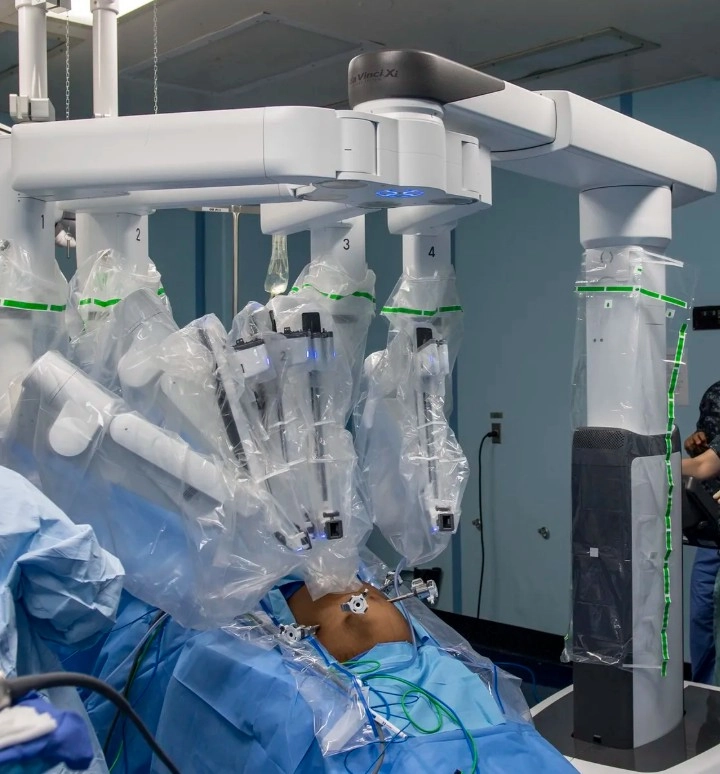
When used for a suitable patient and performed by a trained surgical team, robotic-assisted surgery may offer several advantages.
Smaller incisions
Many robotic procedures are completed through small keyhole incisions rather than one large abdominal incision.
Enhanced surgical view
The robotic camera can provide a magnified, high-definition 3D view of the operating area.
Controlled instrument movement
Robotic instruments can bend and rotate inside the body, which may help the surgeon operate in confined areas.
Reduced blood loss in selected procedures
A clear view and controlled tissue handling may help reduce blood loss in some operations.
Less postoperative discomfort
Smaller incisions may result in less pain than a large open incision. Pain levels still vary according to the procedure and individual patient.
Shorter hospital stay
Some patients undergoing minimally invasive surgery may leave the hospital earlier than patients undergoing comparable open surgery.
Faster return to routine activities
Patients may be able to walk, resume light activities and return to work sooner. Recovery time depends on the type of operation and the patient’s health.
Smaller scars
Keyhole incisions generally leave smaller scars than traditional open surgery.
These are potential benefits rather than guaranteed outcomes. Robotic surgery may carry risks similar to other surgical procedures, and it is not the right choice for every patient.
Robotic Surgery vs Laparoscopic Surgery vs Open Surgery: Understanding the Differences
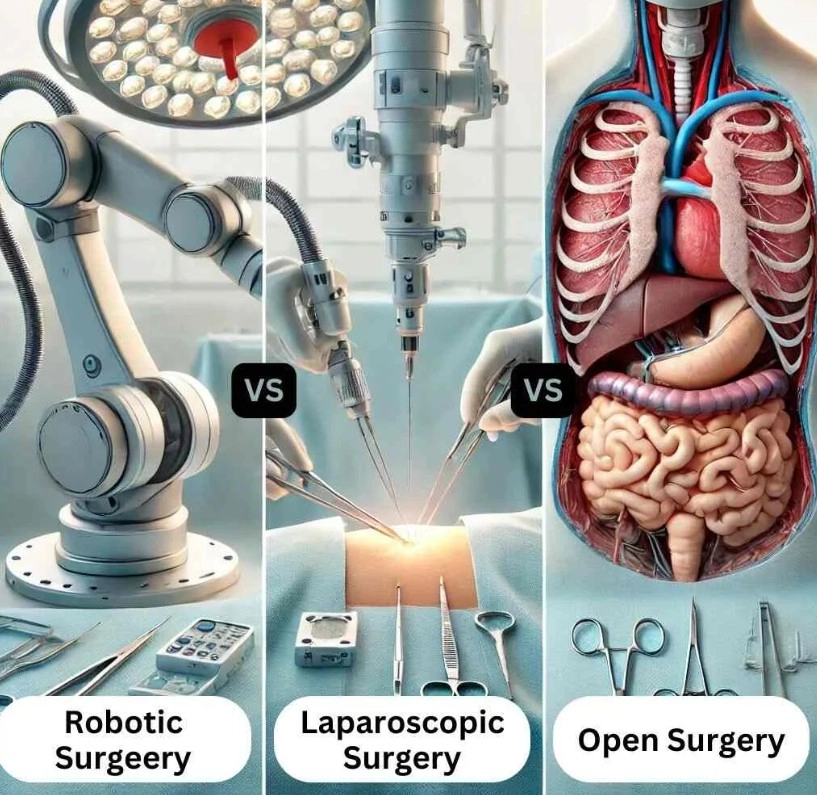
Robotic surgery, laparoscopic surgery and open surgery are three different approaches used to perform surgical procedures. The choice depends on the type of condition, complexity of the surgery, patient’s health, previous surgical history and the surgeon’s assessment.
| Factor | Robotic Surgery | Laparoscopic Surgery | Open Surgery |
|---|---|---|---|
| Surgical Approach | Minimally invasive surgery performed through small incisions using robotic instruments controlled by the surgeon | Minimally invasive surgery performed through small incisions using long surgical instruments controlled directly by the surgeon | Traditional surgery performed through a larger incision to directly access the surgical area |
| Surgeon Control | Surgeon operates robotic instruments from a console with precise movements | Surgeon directly controls laparoscopic instruments while viewing the procedure on a monitor | Surgeon directly operates using conventional surgical instruments |
| Visualisation | Provides magnified, high-definition 3D view of the surgical area | Provides a magnified 2D/HD view through a laparoscope | Direct visual access to the surgical area |
| Instrument Movement | Robotic instruments provide wrist-like movements, rotation and improved flexibility in confined spaces | Instruments have limited movement compared with robotic systems | Conventional instruments provide direct access but may be limited in narrow areas |
| Incision Size | Usually requires multiple small keyhole incisions | Usually requires multiple small keyhole incisions | Requires a larger incision depending on the procedure |
| Surgical Precision | May provide enhanced precision, tremor filtration and controlled movements in selected complex procedures | Provides good precision and is effective for many routine minimally invasive procedures | Allows direct access and may be preferred for complex or emergency situations |
| Recovery Time | Recovery may be faster compared with open surgery in suitable cases | Recovery is often faster than open surgery | Recovery may take longer due to larger incisions and tissue healing |
| Postoperative Pain | Generally associated with less incision-related discomfort compared with open surgery | Usually associated with less pain compared with open surgery | May involve more pain due to larger surgical wounds |
| Scarring | Smaller scars due to minimally invasive incisions | Smaller scars due to minimally invasive incisions | Larger scar due to bigger incision |
| Best Suited For | Selected complex gastrointestinal, colorectal, hernia, bariatric and other procedures where robotic assistance may provide an advantage | Many common abdominal and gastrointestinal procedures | Emergency surgeries, extensive disease, complex cases or situations where minimally invasive surgery is not suitable |
| Limitations | Not required or beneficial for every patient; depends on disease complexity and availability of technology | Instrument movement and visibility may be more limited compared with robotic systems | More tissue disruption and longer recovery in many cases |
Key Takeaway:
Robotic surgery is not always superior to laparoscopic or open surgery. The ideal approach depends on the patient’s specific condition, surgical requirements and the surgeon’s clinical judgement. A detailed evaluation helps determine the safest and most effective treatment option for each individual.
Unsure whether robotic, laparoscopic or open surgery is right for you?
Get a personalised surgical evaluation based on your diagnosis, previous treatment, scan findings and overall health.
Who May Be a Candidate for Robotic Surgery?
A patient may be considered for robotic surgery when:
The condition requires surgical treatment
The procedure can be safely performed through small incisions
The patient is medically fit for general anaesthesia
There are no major contraindications to minimally invasive surgery
A patient may be considered for robotic surgery when:
The condition requires surgical treatment
The procedure can be safely performed through small incisions
The patient is medically fit for general anaesthesia
There are no major contraindications to minimally invasive surgery
Age alone does not determine eligibility. The patient’s overall fitness, diagnosis, organ function and expected surgical outcome are considered together.
Evaluation Before Robotic Surgery
Before recommending robotic surgery, Dr. Surendra Jasti may review:
Current symptoms
Duration and severity of the condition
Previous treatment
History of abdominal operations
Existing medical conditions
Current medicines
Allergies
Blood test results
Ultrasound, CT scan or MRI findings
Endoscopy or colonoscopy reports
Anaesthesia fitness
Additional tests may be required for patients with diabetes, high blood pressure, obesity, heart disease, breathing problems or other medical conditions.
This assessment helps the surgical team prepare an individualised treatment and recovery plan.
How to Prepare for Robotic Surgery
Preparation instructions vary according to the operation. Patients may be advised to:
Complete the recommended blood tests and scans
Inform the surgeon about all medicines and supplements
Avoid food and fluids for the instructed period
Stop smoking
Arrange transport and postoperative support
Attend a pre-anaesthesia assessment
Discuss blood-thinning medicines before stopping them
Complete bowel preparation when required
Limit alcohol intake
Follow instructions for diabetes medicines or insulin
Patients should not stop prescribed medicines without speaking to their treating doctor or surgical team.
What Happens After Robotic Surgery?
After the operation, the patient is monitored in a recovery area. Pain relief, intravenous fluids and other medicines may be given as required.
Depending on the procedure, patients may be encouraged to:
Sit up and walk with assistance
Perform breathing exercises
Drink fluids when permitted
Gradually restart food
Keep the wounds clean
Avoid heavy lifting
Take prescribed medicines
Attend scheduled follow-up visits
Some patients may go home within one or two days, while others may need a longer hospital stay. The exact duration depends on the operation, recovery progress and any associated medical conditions.
Recovery After Robotic Surgery
Recovery time is different for every procedure. A patient undergoing gallbladder surgery may recover faster than someone undergoing colorectal, bariatric or complex hernia surgery.
During early recovery, patients may experience:
Mild pain around the incisions
Abdominal tightness
Temporary bloating
Tiredness
Changes in appetite
Temporary changes in bowel habits
Patients should follow their surgeon’s instructions regarding diet, bathing, driving, exercise, work and lifting heavy objects.
Medical attention should be sought for symptoms such as increasing abdominal pain, persistent vomiting, high fever, breathing difficulty, chest pain, wound discharge, increasing redness, inability to pass urine or a swollen and painful leg.
Risks of Robotic Surgery
Robotic surgery is still a surgical procedure and carries potential risks. These may include:
Bleeding
Infection
Reaction to anaesthesia
Blood clots
Injury to nearby organs or tissues
Leakage from a surgical connection
Breathing or heart-related complications
Need for blood transfusion
Need to convert to open surgery
Need for another procedure
The nature and likelihood of complications vary according to the operation, diagnosis and patient’s overall health.
Before surgery, the expected benefits, possible risks and available alternatives should be discussed clearly with the surgeon.
Why Choose Dr. Surendra Jasti for Robotic Surgery in Vijayawada?
Extensive surgical experience
Robotic Surgeon in Vijayawada Dr. Surendra Jasti has more than 26 years of surgical experience and has performed over 13,000 procedures across gastrointestinal, hernia, colorectal, bariatric and related surgical care.
Advanced qualifications
His qualifications include MBBS, MS in General Surgery and MCh in Surgical Gastroenterology, supporting specialised management of digestive and abdominal surgical conditions.
Experience across multiple surgical approaches
Dr. Surendra Jasti provides robotic, laparoscopic and open surgical options. This allows the treatment method to be selected according to the patient’s condition rather than using one technique for every case.
Comprehensive gastrointestinal surgical care
His areas of care include gallbladder disease, hernia, colorectal conditions, bariatric surgery and other gastrointestinal procedures. The official website lists more than 15 advanced GI and minimally invasive treatment services.
Individualised surgical planning
Every patient undergoes an assessment based on symptoms, diagnosis, scan findings, previous treatment and medical fitness.
Focus on informed decision-making
Patients are guided through the available treatment approaches, expected recovery, possible complications and postoperative care before making a decision.
Focus on informed decision-making
Patients are guided through the available treatment approaches, expected recovery, possible complications and postoperative care before making a decision.
Looking for an experienced robotic gastro surgeon in Vijayawada?
Book an appointment with Dr. Surendra Jasti for a detailed diagnosis and a personalised discussion about robotic, laparoscopic and open surgical options.
Frequently Asked Questions
1. Is robotic surgery safe?
Robotic surgery can be safe when it is recommended for an appropriate patient and performed by a trained surgeon with an experienced operating-room team. It carries possible risks such as bleeding, infection, anaesthesia complications and injury to nearby structures, similar to other forms of surgery. The risks depend on the procedure and the patient’s health.
2. Does the robot perform the surgery on its own?
No. The robot cannot perform the surgery independently. The surgeon sits at a console and directly controls every movement of the camera and surgical instruments throughout the procedure.
3. Is robotic surgery better than laparoscopic surgery?
Neither method is automatically better for every condition. Robotic surgery may offer enhanced visualisation and greater instrument movement in selected complex procedures. Laparoscopic surgery remains an effective option for many operations. The surgeon recommends the approach that is most suitable for the patient’s diagnosis.
4. How long does recovery take after robotic surgery?
Recovery may range from a few days to several weeks depending on the type of operation, the patient’s health and the physical demands of their work. Patients undergoing simpler procedures may resume light activities sooner than those undergoing colorectal, bariatric or complex hernia surgery.
5. What is the cost of robotic surgery in Vijayawada?
The cost depends on the type and complexity of the operation, hospital stay, robotic instruments, diagnostic tests, anaesthesia, medicines and insurance coverage. An accurate estimate can be provided after the surgeon evaluates the patient and confirms the planned procedure.
Medical Disclaimer: This information is intended for general patient education and should not replace a consultation, diagnosis or personalised treatment recommendation from a qualified medical professional.