
Robotic Hysterectomy in Vijayawada
Conditions affecting the uterus can cause more than physical discomfort. Heavy menstrual bleeding, persistent pelvic pain and uterine fibroids can interfere with daily activities and affect a woman’s quality of life. When medicines or other treatments do not provide adequate relief, surgery may be considered.
Robotic hysterectomy in Vijayawada is a minimally invasive surgical procedure used to remove the uterus with the assistance of robotic technology. The surgeon controls specialised instruments through a console, allowing controlled movements and magnified visualisation during the operation.
Dr. Surendra Jasti performs robotic hysterectomy as part of surgical care in Vijayawada. The appropriate surgical approach depends on the patient’s diagnosis, medical history, overall health and treatment requirements.
What Is Robotic Hysterectomy?
Robotic hysterectomy is a procedure in which the uterus (womb) is removed using robotic-assisted surgical instruments.
The uterus is the organ where a baby develops during pregnancy. Removing it means that a woman will no longer have menstrual periods or be able to become pregnant.
During the operation, the surgeon controls robotic instruments from a specialised console. A camera provides a magnified 3D view of the pelvic area, helping the surgeon perform the planned surgical steps.
The robotic system does not operate independently. Every movement remains under the surgeon’s control.
Why Is Hysterectomy Recommended?
Hysterectomy may be considered when a uterine condition causes persistent symptoms or requires surgical treatment.
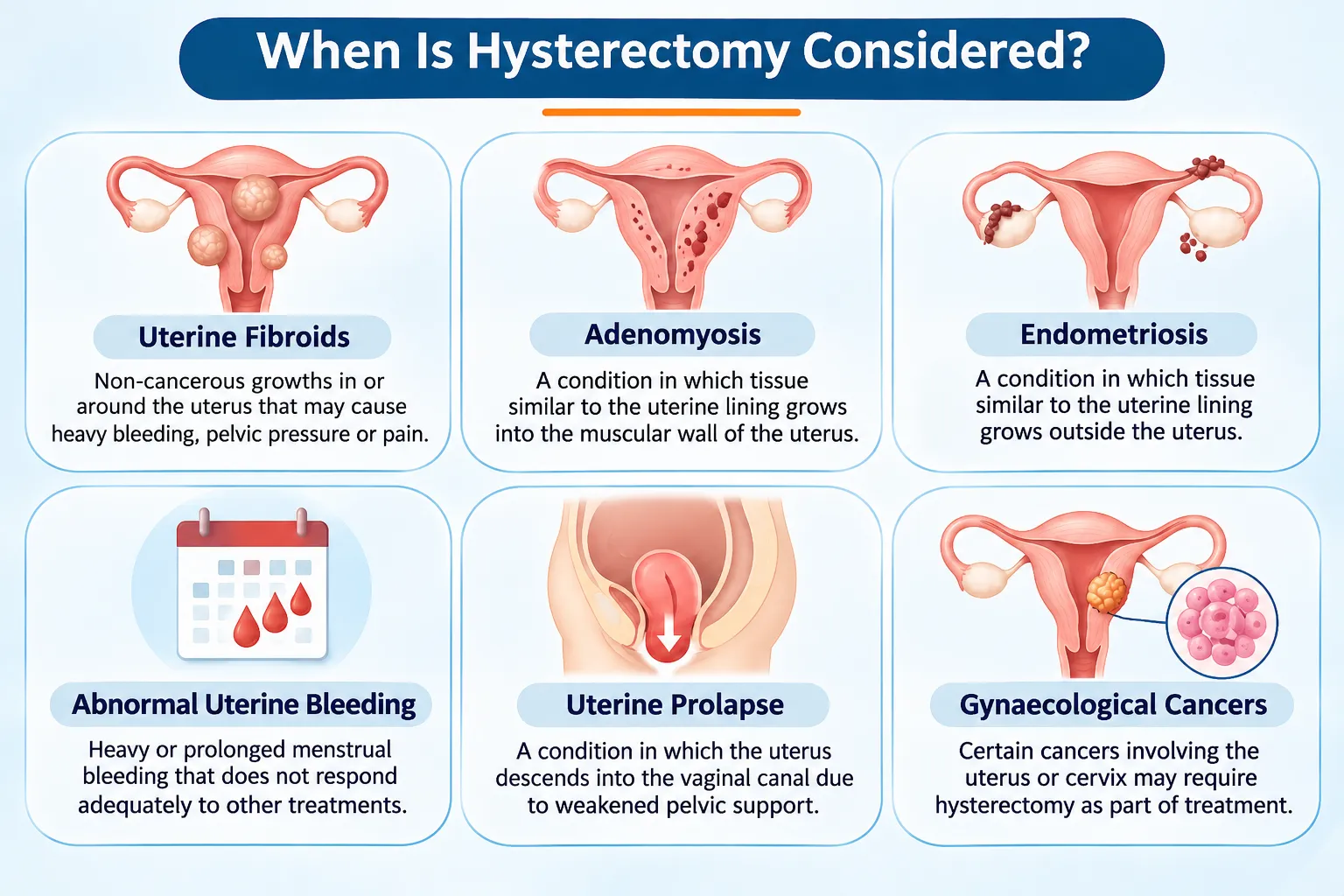
Hysterectomy is generally considered after evaluating other available treatments and their suitability.
What Are the Different Types of Hysterectomy?
The extent of surgery depends on the underlying condition.
1. Total Hysterectomy
Removal of the uterus and cervix (the lower part of the uterus).
2. Subtotal Hysterectomy
Removal of the main body of the uterus while preserving the cervix.
3. Radical Hysterectomy
Removal of the uterus, cervix and certain surrounding tissues. It may be performed for specific gynaecological cancers.
4. Hysterectomy With Ovary Removal
The uterus may be removed along with one or both ovaries and fallopian tubes when medically indicated.
Ovary removal is a separate decision and is not necessary in every hysterectomy
How Is Robotic Hysterectomy Performed?
Robotic hysterectomy is performed under general anaesthesia. The procedure generally involves these steps:
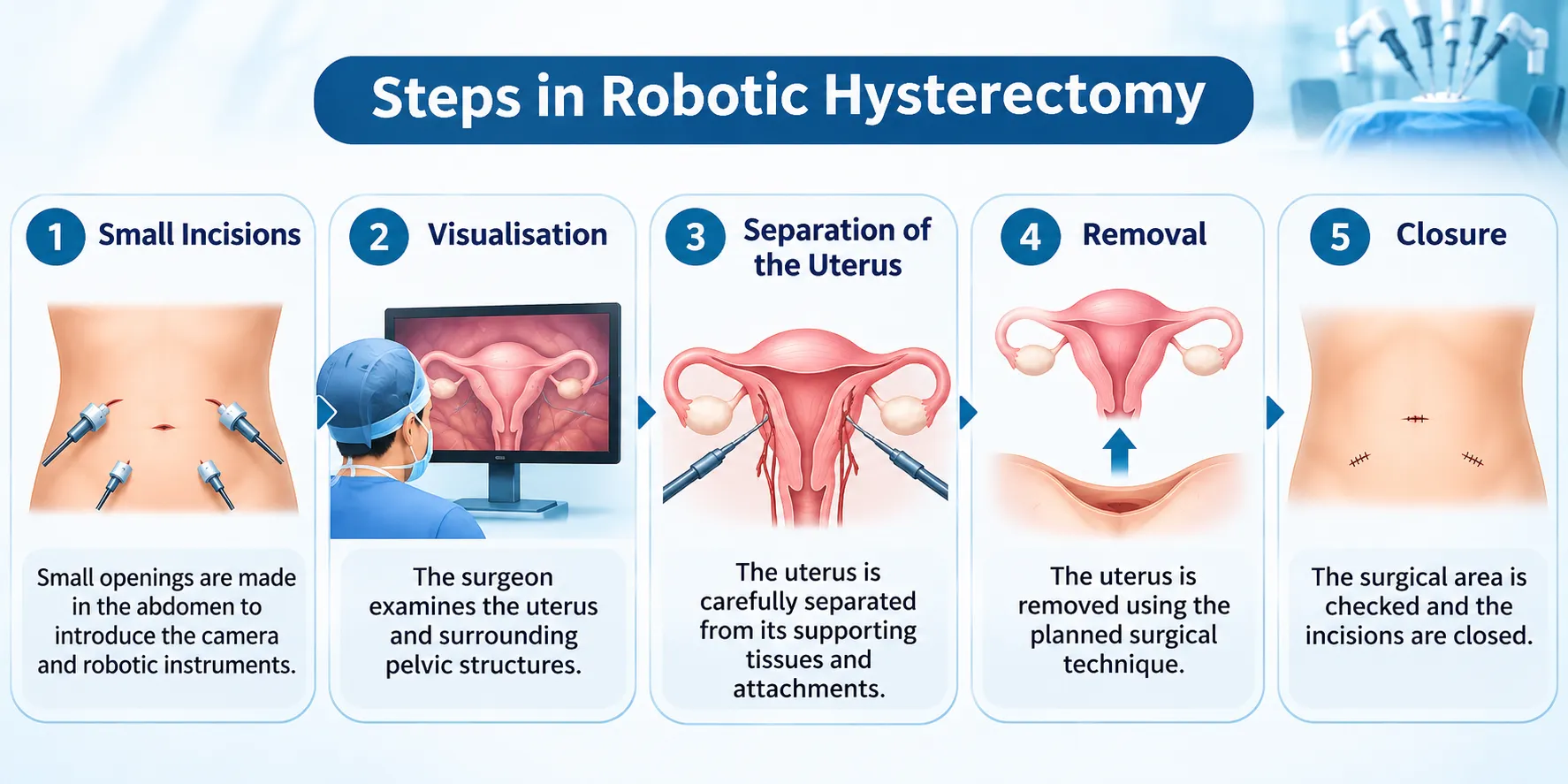
The exact steps depend on the type of hysterectomy and the patient’s medical condition.
What Are the Potential Benefits of Robotic Hysterectomy?
Potential advantages include:
| Surgical Advantages | |
|---|---|
| Small abdominal incisions. | Less incision-related discomfort compared with open surgery in suitable cases. |
| Magnified 3D visualisation. | Smaller surgical scars. |
| Flexible instrument movements. | Shorter hospital stays compared with abdominal hysterectomy in some cases. |
| Controlled movements during delicate surgical steps. | |
These benefits are not guaranteed for every patient. Robotic surgery has not consistently demonstrated better outcomes than conventional laparoscopy across all measures.
Robotic Hysterectomy vs Laparoscopic Hysterectomy vs Open Hysterectomy
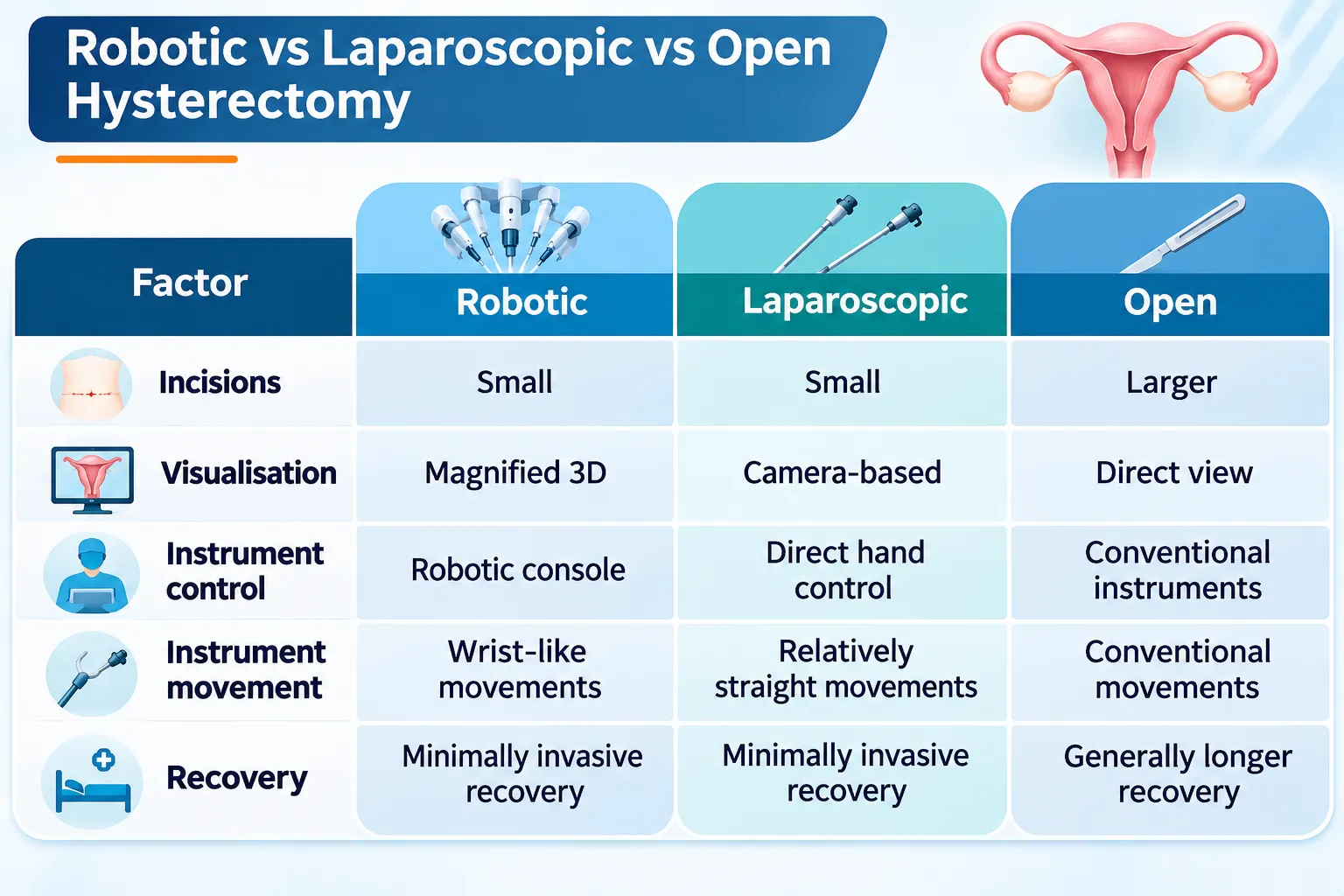
The vaginal approach is also an important option for some patients. The appropriate method depends on uterine size, diagnosis, previous surgeries and the surgeon’s training and experience.
Who Is Suitable for Robotic Hysterectomy?
The evaluation considers:
| Key Considerations | |
|---|---|
| Underlying uterine condition. | Presence of endometriosis or pelvic adhesions. |
| Size and position of the uterus. | Overall medical fitness. |
| Previous abdominal or pelvic surgeries. | Whether the ovaries and fallopian tubes need removal |
A woman’s age, fertility preferences and plans for future pregnancy should also be discussed before surgery.
Preparation Before Robotic Hysterectomy
| Preparation & Evaluation | |
|---|---|
| Pelvic examination and ultrasound. | Assessment of existing medical conditions. |
| Blood investigations. | Anaesthesia fitness evaluation. |
| Review of current medicines. | Instructions regarding food and fluids before surgery. |
The surgeon should also explain whether the cervix, ovaries or fallopian tubes will be preserved or removed.
Recovery After Robotic Hysterectomy
After the procedure, patients are generally advised to:
| Recovery & Aftercare | |
|---|---|
| Start walking as recommended by the medical team. | Avoid heavy lifting during the initial recovery period. |
| Follow wound care instructions. | Follow instructions regarding exercise and sexual activity. |
| Take prescribed medicines. | Attend scheduled follow-up appointments. |
Recovery after minimally invasive hysterectomy is generally shorter than after open abdominal hysterectomy, although individual timelines vary.
If both ovaries are removed before natural menopause, surgical menopause may occur immediately. This can cause hot flashes, sleep disturbances and other hormonal symptoms. Appropriate follow-up should be discussed.
Risks and Possible Complications
| Potential Risks & Complications | |
|---|---|
| Bleeding. | Injury to the bladder, bowel or urinary tract. |
| Infection. | Vaginal healing complications. |
| Blood clots. | Early menopause if both ovaries are removed. |
| Anaesthesia-related complications. | |
Medical attention should be sought for fever, heavy vaginal bleeding, increasing abdominal pain, difficulty passing urine or unusual wound discharge after surgery. Chest pain or breathing difficulty requires emergency assessment.
Factors Affecting Robotic Hysterectomy Cost in Vijayawada
| Key Factors | |
|---|---|
| Type of hysterectomy. | Hospital stay and anaesthesia. |
| Complexity of the underlying condition. | Additional procedures, if required. |
| Diagnostic investigations. | Postoperative care. |
| Robotic equipment and consumables. | |
The treatment plan and associated expenses should be discussed before surgery.
Our Approach for Robotic hysterectomy in Vijayawada
Dr. Surendra Jasti provides surgical care in Vijayawada, including robotic-assisted procedures. Evaluation before hysterectomy involves understanding the patient’s symptoms, diagnosis, medical history and surgical requirements.
Important aspects of treatment planning include:
| Our Approach | |
|---|---|
| Reviewing diagnostic reports. | Understanding the reason for hysterectomy. |
| Determining the appropriate extent of surgery. | Discussing available surgical approaches. |
| Explaining possible complications and recovery requirements. | Planning postoperative monitoring. |
The final decision should be based on individual medical findings and an informed discussion with the treating surgeon.
Frequently Asked Questions
1. Definition of robotic hysterectomy.
2. Is robotic hysterectomy safe?
3. Duration of recovery after robotic hysterectomy?
4. Do the ovaries get extracted in robotic hysterectomy?
5. Is it possible to conceive after having a hysterectomy?
Medical Disclaimer: This content is intended for general patient education and should not replace medical consultation or individual treatment advice. The suitability of robotic hysterectomy must be determined through a clinical evaluation.